
EMI and RFI Shielded Enclosures
High-performance EMI and RFI shielding solutions for electronic enclosures where signal integrity and interference control are critical.
EMI/RFI shielding helps protect sensitive electronics from external interference while limiting electromagnetic energy generated by equipment from affecting nearby systems and supporting electromagnetic compatibility (EMC). Effective electromagnetic interference shielding depends on more than selecting a conductive enclosure material. Enclosure geometry, seams, covers, fasteners, openings, connectors, ventilation, grounding interfaces, and surface finishes can all affect how effectively an enclosure contains or limits electromagnetic energy.
Aluminum provides a lightweight, conductive foundation for shielded enclosures, while appropriate construction and finishing help maintain continuity and durability. Lansing’s MicroPak and GrayBox aluminum enclosures can be configured with options such as machining, gasketing, ventilation, and custom finishes to support EMI/RFI shielding, EMC, thermal, environmental, and access requirements across a range of applications.
What Affects EMI/RFI Shielding Performance?
Shielding performance depends on how an enclosure is constructed and configured, not simply on whether it is made from a conductive material. Factors such as electrical continuity, enclosure seams, covers, fasteners, openings, and surface treatments can all influence how effectively an enclosure contains electromagnetic energy or limits external interference, which can be important for electromagnetic compatibility performance.
Key enclosure-level considerations include:
- Conductive Aluminum Construction: Aluminum provides a lightweight, conductive foundation for EMI/RFI shielding while supporting the mechanical requirements of electronic enclosures. Lansing’s aluminum MicroPak and GrayBox platforms provide a starting point for applications requiring EMI shielded enclosures and enclosure-level shielding.
- Electrical Continuity: Gaps and interfaces between enclosure components can affect EMI/RFI shielding performance. Maintaining conductive contact across covers, joints, and other enclosure interfaces helps create a more continuous shielding barrier.
- Surface Treatments and Finishes: Surface treatments can affect conductivity at enclosure interfaces while also providing protection against environmental exposure. Anodized aluminum, typically specified to MIL-A-8625F Type II, provides a durable oxide layer with increased hardness and abrasion resistance, while Iridite, or chromate conversion coating specified to MIL-DTL-5541F, maintains the aluminum surface’s electrical conductivity. Lansing offers Iridite and other chem film conductive finishing options that are Type II RoHS compliant. These coatings help maintain electrical continuity across mating surfaces where EMI/RFI shielding performance is critical.
- Covers, Seams, and Fasteners: How enclosure components fit together can influence shielding performance. Cover design, seam construction, and fastener placement can help maintain contact between conductive surfaces. Lansing offers enhanced configurations with modified covers and additional fasteners for applications requiring additional EMI/RFI shielding performance.
- Openings and Interfaces: Ventilation openings, connectors, cable interfaces, and other penetrations can create potential paths for electromagnetic energy and RF interference. These features should be considered as part of the overall enclosure design when EMI/RFI shielding and EMC requirements are more demanding.
Which Shielded Electronic Enclosure Fits Your Application?
Lansing offers two aluminum enclosure families designed for different classes of electronic applications. MicroPak provides compact housing for PCBs and smaller assemblies, while GrayBox accommodates larger instruments and rack-mounted systems. Both platforms can be configured to address application-specific EMI/RFI shielding requirements.
MicroPak
MicroPak is a compact aluminum enclosure family designed for printed circuit boards and smaller electronic assemblies. Its compact form factors make it well suited for desktop, handheld, embedded, and surface-mounted electronics. MicroPak is the right choice if you are building:
- PCB assemblies
- Electronic instrumentation
- Laboratory equipment such as analyzers, sensors, and test modules
- Embedded electronics, including modules, controllers, and embedded boards
- Compact communications and signal-processing equipment
For applications requiring enhanced shielding, C-Style and D-Style MicroPak configurations offer additional shielding options, including conductive finishes and other modifications designed to improve electrical continuity.
GrayBox
GrayBox is designed for larger electronic instruments and systems, with rack-mounted and free-standing configurations available in full, half, and quarter rack widths. Its larger form factors make it a practical choice for industrial, communications, laboratory, and power-related electronics.
GrayBox is the right choice if you are building:
- Industrial control systems
- Communications equipment
- Network electronics
- Power monitoring systems
- Laboratory and test equipment
- Rack-mounted electronic instruments
For applications requiring enhanced shielding, the B-Style GrayBox can be configured with additional shielding enhancements, including conductive surface treatments, modified covers, and additional fasteners to improve electrical contact.
Shielded Enclosure Solutions – Added Protection for Sensitive Electronics
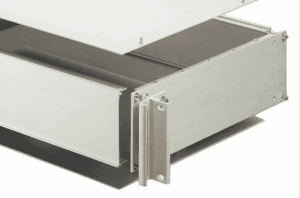
- Remove nonconductive anodized finish from the outside of the top & bottom flanges; Clear iridite the raw aluminum
- Use vinyl-clad aluminum instead of anodized aluminum covers. Inside surface has an iridite finish
- Add center-front and center-rear screws on each cover to enhance electrical contact
- Choose captive nuts vs. speed nuts
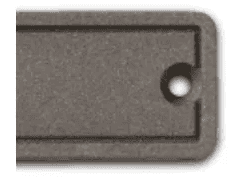
- For non-cosmetic applications: Choose clear iridite finish (conductive) for the tube and end panels
- For cosmetic applications: Ends and tube interior can be masked and iriditied while exposed surfaces are powdercoat painted
- Choose Nickel acrylic (conductive) paint on all or selected surfaces
- Select clear iridite finish for end panels
- Choose nickel acrylic (conductive) painted bezels on all or select surfaces
- Substitute vinyl-clad aluminum with a conductive iridite interior surface for the standard vinyl-clad steel with a nonconductive painted interior surface