
Control panels are rarely one-and-done. In manufacturing and automation environments, systems expand as throughput increases, processes change, or new equipment is added. When a control panel enclosure is designed as a fixed, one-off build, every change introduces friction: redesigning, fabrication delays, QA risk, and downtime.
Modular enclosure platforms solve this problem by giving engineers a repeatable foundation that scales as fast as the system itself.
For engineering teams, manufacturing groups, and small-to-mid-scale product teams, modular control panel enclosure platforms create a more predictable path from initial design to long-term deployment.
Modular Control Panel Enclosures
Enclosures that Scale with the System
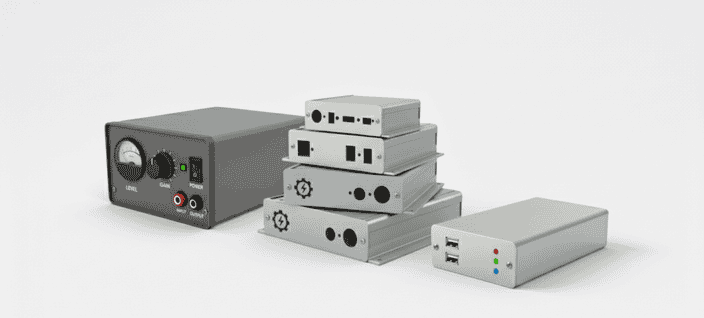
Scalability starts with structure. A modular control panel enclosure is built around standardized profiles, panels, and mounting systems that allow systems to grow without forcing redesign.
As systems scale, engineers can:
- Add enclosure sections
- Reconfigure internal layouts
- Standardize across multiple industrial control panels using the same enclosure family
This supports repeatability across production lines, automation cells, and quality control systems while maintaining consistency in layout, wiring practices, and service access.
Compared to custom enclosure fabrication for every revision, modular control panel enclosures reduce variability, risk, time to market, and field replacement costs.
Reduce Fabrication Risk and Hidden Costs
One-off control panel enclosure fabrication often looks flexible on paper but introduces hidden costs over time. Custom builds increase the likelihood of dimensional errors, inconsistent tolerances, and QA issues that only surface during integration or field deployment. Each redesign also adds lead time and cost, especially when changes are driven by downstream discoveries.
Modular enclosure platforms reduce these risks by relying on proven, standardized designs. Engineers still have flexibility where it matters, such as cutouts, mounting plates, and access panels, but the core enclosure structure remains consistent. This balance minimizes fabrication surprises while preserving configurability.
For manufacturing and automation teams operating at scale, this consistency translates directly into reduced downtime, faster installs, and smoother maintenance cycles.
PCB-first Enclosure Decisions for Long-term Success
In many control panel and instrumentation systems, the PCB defines everything that follows. PCB size, connector placement, heat generation, and access requirements all influence enclosure performance.
Designing a control panel enclosure without anchoring it to PCB requirements often leads to compromises later, such as awkward mounting, restricted airflow, or poor service access.
A PCB enclosure designed correctly once can be reused across batches and product variants. This reuse reduces redesign effort, material waste, and integration issues as systems scale. Modular enclosures make this approach practical by translating PCB dimensions and layout decisions into repeatable enclosure configurations.
This is a critical advantage for small to mid-size teams. It allows them to lock specifications early and carry them forward into production without revisiting enclosure fundamentals each time the product evolves.
Faster Scale Through Configuration, Not Reinvention
Speed matters when systems need to scale. Modular control panel enclosures support fast expansion because engineers configure rather than reinvent. Standardized enclosure platforms paired with configuration tools remove manual steps that typically slow projects down.
Instead of waiting on custom quotes or engineering back-and-forth, teams can map PCB requirements directly to enclosure dimensions, materials, and mounting options. This approach shortens the gap between design intent and production-ready hardware, keeping projects moving without sacrificing rigor.
Control Panel Enclosures Built for Demanding Environments
Scalability is only valuable if performance holds up over time. In manufacturing and automation environments, control panel enclosures must withstand vibration, temperature variation, electrical noise, and physical wear. Metal enclosures provide the durability and reliability these environments demand.
Extruded aluminum electronic enclosures are particularly well suited for scalable systems. They balance strength, thermal performance, and manufacturability, making them ideal for long-term deployment. Aluminum also supports consistent production over years, not just prototypes, which is critical for systems expected to remain in service across multiple generations.
By standardizing on proven metal enclosure platforms, teams avoid the trap of redesigning enclosures as environmental demands increase.
Repeatability Across Systems and Sites
As organizations grow, repeatability becomes a strategic advantage. Modular enclosure platforms allow the same enclosure architecture to be deployed across multiple machines, lines, or facilities. This consistency simplifies training, inventory management, serviceability, field replacement, and documentation while reducing engineering overhead.
For manufacturing and automation teams, repeatable enclosure design improves uptime and lowers total cost of ownership. For product teams, it supports cleaner transitions from prototype to production without introducing unnecessary variation.
Move from Idea to Production with Less Friction
Modular enclosures align enclosure design with how systems actually evolve. They support repeatability, fast scale, and long service lifecycles without forcing engineers to start over at each stage. By anchoring enclosure decisions to PCB requirements and using standardized, configurable platforms, teams reduce risk while moving faster.
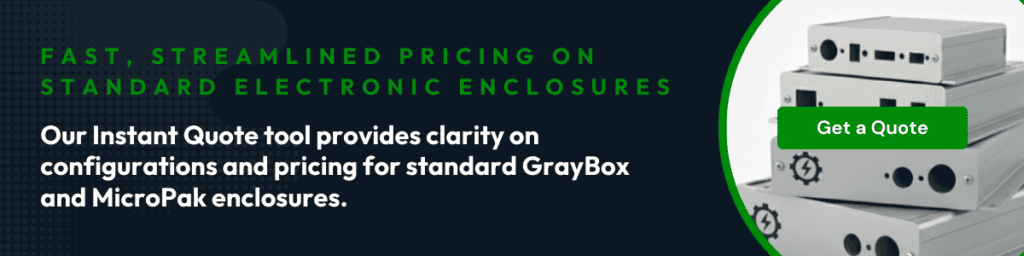
For engineers and creators designing scalable control panels, modular enclosure platforms from Lansing Instrument provide a practical foundation for growth. Lansing’s product comparison guides and instant quote tool help teams configure a modular enclosure, translate PCB requirements into production-ready designs, and see pricing instantly, removing friction from the path to scale.